
A full refurbishment can turn a tired or dated house into a home that works for the way you live now. It can also be stressful if you go in without a plan. The jobs have to happen in a certain order, surprises are common in older houses, and decisions you make early affect everything after.
This guide walks through how a refurbishment usually runs, how to think about the budget, what it is like to live through one, and how long the different stages tend to take.
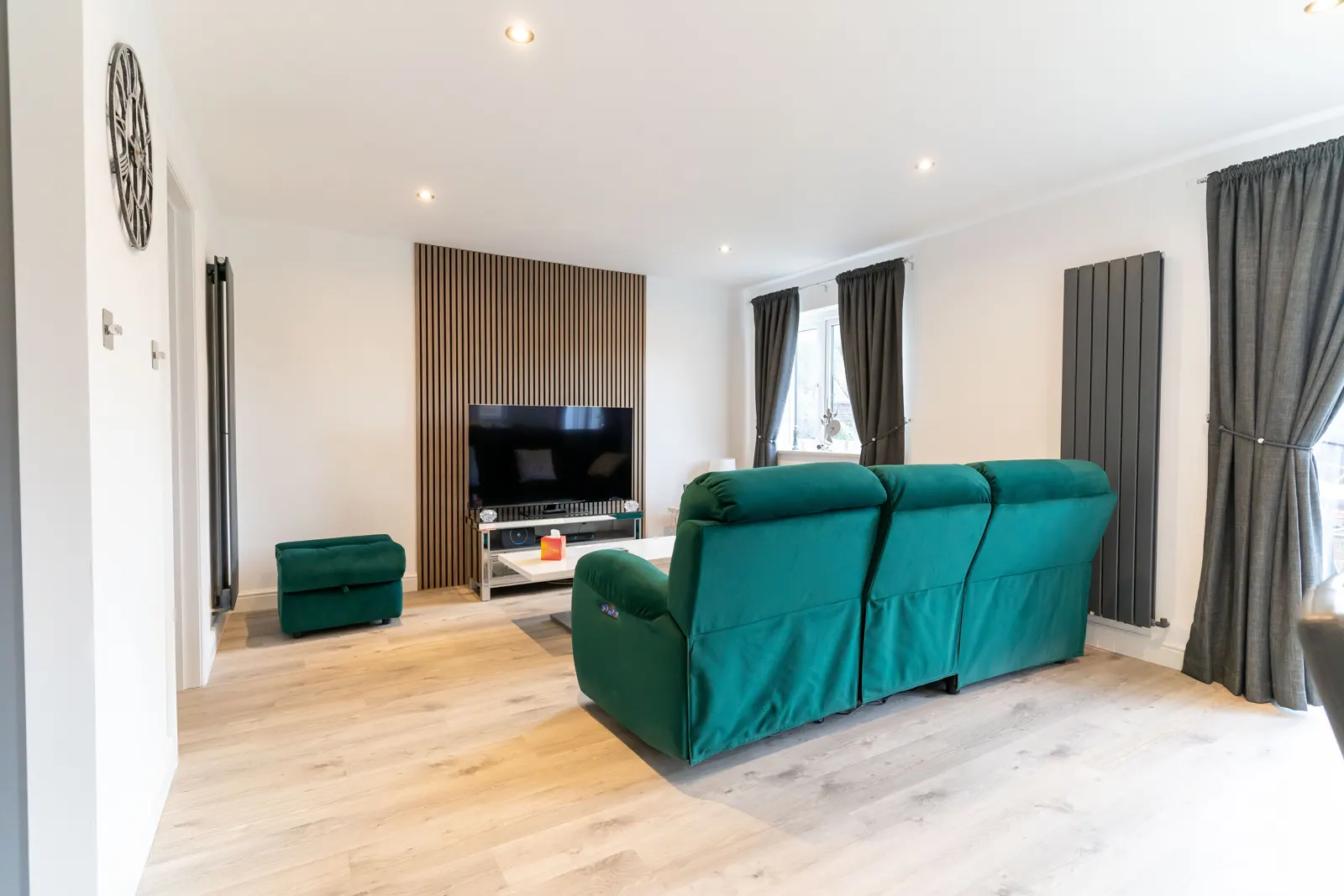
Start with a survey and a clear brief
Before any prices are worth having, you need to know what you are working with. In older properties that means checking the condition of the roof, the wiring, the plumbing and heating, damp, windows and any past alterations that may not have been done properly.
Then write down what you want: which rooms change, whether any walls move, the level of finish you are aiming for, and what matters most if the budget gets tight. A clear brief lets builders price the same job, which is the only way to compare quotes fairly.
The order of works
Refurbishments follow a logical sequence so that finished work is not damaged by the next trade. A typical order is:
- Strip out: removing old kitchens, bathrooms, flooring, plaster and fittings that are being replaced.
- Structural work: any walls being removed or moved, steel beams, new openings and repairs to joists or roof timbers.
- First fix: new stud walls, door linings, floor and joist work, plus pipework, cabling and back boxes run before walls are closed up.
- Plastering: new boards and skim, then a drying period before decorating.
- Second fix: doors, skirting, architrave, kitchen and bathroom fitting, sockets, switches, radiators and sanitaryware.
- Flooring and decoration, then snagging: the final list of small fixes before handover.
Setting a realistic budget
Refurbishment costs vary more than almost any other building work, because two houses of the same size can need completely different things. A cosmetic refresh is a very different job from a property that needs rewiring, new heating, new windows and a reconfigured layout.
Rather than starting from a total, list the work room by room and system by system, then get it priced. Put the essentials first: roof, structure, damp, electrics and heating. These are hard and expensive to fix later. Finishes such as flooring, tiles and kitchen doors can be upgraded down the line.
Hold back a contingency, commonly around 10 to 20 percent for older houses, because lifting floors and stripping plaster often reveals rotten timbers, old wiring or patched-up past repairs.
Living in the house during the work
Many people stay at home during a refurbishment, but it helps to be realistic. There will be dust, noise, periods without water or power, and days where part of the house is out of use.
- Phase the work so one area is always liveable, ideally with a working bathroom.
- Set up a temporary kitchen with a microwave, kettle and fridge if the kitchen is being replaced.
- Agree working hours and where materials and skips will go.
- Protect what is staying: dust sheets, floor protection and sealed doorways make a big difference.
- If the whole house is being stripped back, moving out for the heaviest weeks is often quicker and cheaper overall.
Typical timescales
A single room refresh might take a couple of weeks. A full refurbishment of a typical family house, including new kitchen, bathroom, electrics, heating and some layout changes, commonly runs to several months. Larger houses or projects that combine a refurbishment with an extension take longer.
The biggest things that stretch timescales are late decisions on finishes, long lead times on kitchens and windows, drying time after plastering, and discoveries once the strip out begins. Ordering long lead items early and making choices before work starts keeps things moving.
Why one contractor managing the trades helps
A refurbishment can involve carpenters, plasterers, electricians, plumbers, tilers and decorators. When one contractor coordinates them, each trade arrives when the previous stage is ready and there is a single point of contact if something goes wrong. Our project managers align the skilled trades so you are not left juggling them yourself.
Frequently asked questions
- Do I need building regulations approval for a refurbishment?
- Purely cosmetic work does not, but removing load-bearing walls, new electrical circuits, some plumbing and drainage changes and replacement windows usually fall under building regulations.
- Should I refurbish or extend?
- If the space is the right size but badly arranged, reconfiguring it can be cheaper than extending. If you genuinely need more floor area, an extension may be better value long term.