
Choosing a builder means choosing how your home, money and everyday life will be managed while work is underway. Photographs and a competitive total are useful starting points, but neither tells you whether the proposed work is properly understood, who will supervise it or how disagreements will be resolved. The strongest decision comes from checking evidence and agreeing a clear process before anyone starts.
This guide goes beyond a quick interview checklist. It explains how to assess past work, compare written offers and turn a promising conversation into workable contractual arrangements. Whether you are improving a coastal bungalow or refurbishing an older house in Chichester, choose for the particular project rather than a general impression of confidence.
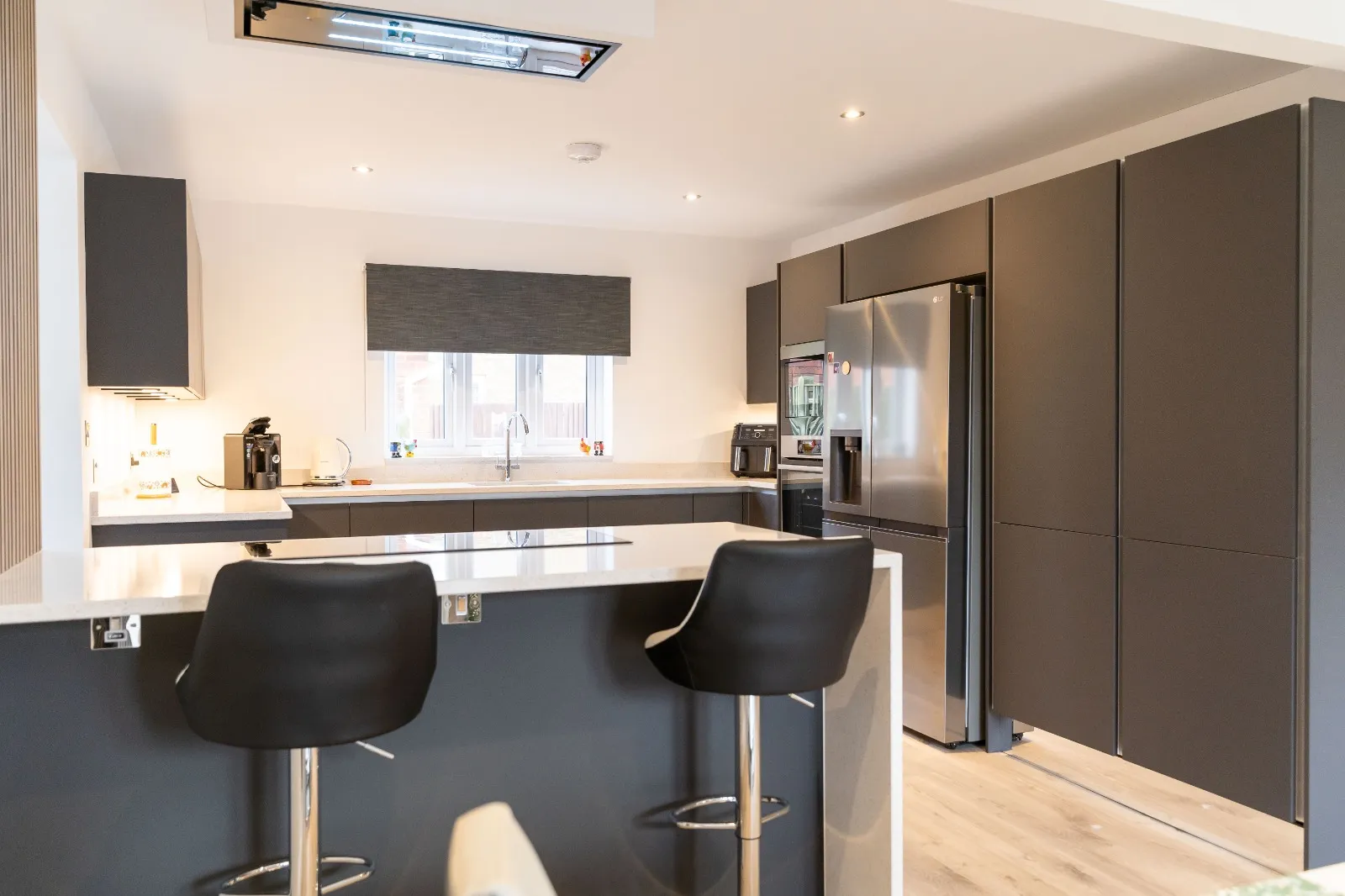
Build a shortlist around comparable work
Begin with a written outline of the work, available drawings and the decisions you have already made. Include access restrictions, whether you will remain at home and any specialist finishes. Give each prospective builder the same information. Otherwise one may price a complete finished room while another assumes you will arrange decoration, flooring and electrical work separately.
Look for relevant experience rather than simply a large portfolio. A kitchen replacement in an empty house does not demonstrate the same organisation as structural alterations in an occupied home. For exposed coastal locations, ask how the builder selects external fixings and details junctions against wind-driven rain. Their explanation should relate to your building, not just a familiar product.
Check the business identity behind the trading name, including the legal entity that will contract with you and receive payments. Companies House can confirm company details where applicable, but registration is not evidence of workmanship or financial security. Membership logos should be verified with the organisation concerned rather than accepted from a van or website alone.
Use completed projects and references as evidence
Ask to see a completed project similar in scope, with the owner’s permission. Photographs can conceal awkward junctions, poorly fitted doors or unfinished outside work. During a visit, look at consistent gaps around joinery, neat service penetrations and the meeting points between old and new surfaces. Respect the household’s privacy and do not treat a reference visit as a technical survey.
Speak to a recent customer and, if possible, someone whose work has been through a winter. Ask how the original price compared with the final account, what caused changes and whether defects were addressed after the last payment. A project that encountered problems can still be a useful reference if the builder explained them promptly and put them right.
If you visit an active site, arrange it in advance and follow safety instructions. Look for sensible material storage, protected occupied areas and clear supervision. A tidy visit is only a snapshot, but a builder who cannot explain who controls safety or how residents are separated from work deserves closer scrutiny.
Check insurance without assuming everything is covered
Ask for current public liability insurance evidence showing the insured business, cover period and scope of activities. This generally addresses legal liability for injury to third parties or damage to their property; it is not a blanket guarantee of workmanship or a promise to finish if the business fails. Check that significant activities such as structural alterations fall within the cover.
Employers’ liability insurance is normally required where a business employs staff, subject to legal exceptions. Contract works insurance concerns damage to the works and materials, while design responsibility may call for professional indemnity cover. Ask who carries each relevant risk rather than assuming one certificate covers everything.
Tell your own buildings insurer about the planned work before it starts, particularly structural alterations or periods when the house will be unoccupied. Ask about conditions concerning security, temporary weather protection and existing structures. Resolve gaps between the homeowner’s policy and the builder’s arrangements in writing, with insurance advice where needed.
Compare itemised quotations, not headline totals
An estimate is an informed indication of likely cost, rather than the same commitment as an agreed quotation for a defined scope. A quotation is generally an offer to carry out specified work for a stated price, but the actual terms, qualifications and agreed changes matter. Read the wording rather than relying on the document’s title.
Make a comparison schedule with one row for each work package. Record whether demolition, waste removal, scaffolding, temporary support, making good and decoration are included. Check who pays design fees, building control charges and utility alterations. Ask whether VAT is included and what VAT treatment has been assumed; do not compare an inclusive total with an exclusive one.
Identify provisional sums and product allowances separately. An allowance for bathroom fittings may bear little relation to what you intend to buy, while an uncertain drainage item may require investigation. Ask what information would turn each allowance into a firmer price. Unusually low allowances can make an apparently cheap quotation expensive once realistic choices are added.
- Check that each quotation uses the same drawing revision and written specification.
- Record exclusions and homeowner-supplied items alongside their installation responsibilities.
- Ask how long the offer remains valid and what could change the price before starting.
Put responsibilities into a suitable written contract
A written contract should identify the parties, site, agreed documents, price basis, payment mechanism and expected programme. It should explain responsibility for approvals, access, utilities, protection of existing rooms, rubbish and site security. JCT homeowner contracts are examples of domestic building contracts, but choose a form suited to the project and whether a professional will administer it.
Read the terms before paying or agreeing a start date. Clarify how delays, extensions of time, suspension, termination and disputes are handled. Larger or more complicated projects justify independent professional advice. A contract cannot remove every construction risk, but it can stop both sides relying on different memories of a conversation.
Consumer cancellation rights can apply to some contracts agreed online or away from business premises. The position depends on the circumstances and contract type, so obtain appropriate advice rather than assuming every building agreement has identical rights. Do not sign blank sections or accept important promises that appear only in a sales conversation.
Match payments and variations to demonstrable progress
Agree a payment schedule linked to identifiable progress or properly assessed valuations. Milestones should describe completed work rather than simply dates passing. Before paying, check the relevant stage and ask for an invoice that corresponds with the agreement. Where an architect or contract administrator is appointed, establish their role in assessing payment applications.
A deposit may be requested for mobilisation or genuinely bespoke materials, but a large unexplained advance transfers substantial risk to you. Ask what it buys, when goods will arrive, where they will be stored and what protection exists if the supplier or builder fails. Do not assume payment alone proves ownership of off-site goods.
For changes, use a written variation record describing the instruction, price adjustment and programme effect. Agree it before work proceeds wherever practicable, with an agreed process for genuine emergencies or concealed problems. Keep a running total of authorised changes so that many apparently small decisions do not become a surprise final account.
Agree who runs the site and how decisions happen
Find out whether the person quoting will supervise daily, visit periodically or hand over to a site manager. Establish who coordinates plumbers, electricians, carpenters and specialist suppliers, including trades you employ directly. Separate appointments can create gaps in responsibility, especially when one trade’s work must be completed before another can start.
Agree a realistic communication routine: one main contact, a regular progress discussion and a written action list. Record decisions about sockets, finishes and changes using dated drawings or messages that everyone can retrieve. Ask for decision deadlines in advance, particularly for long-lead windows, joinery and kitchen components.
For an occupied home, set practical boundaries covering working hours, parking, deliveries, pets, children and temporary loss of services. Explain any accessibility or home-working needs early. These arrangements are not minor courtesies: they affect sequencing and whether the builder has allowed enough time to do the work safely.
Recognise warning signs before committing
Be cautious about pressure to start immediately, cash-only demands without invoices, refusal to identify the contracting business or reluctance to provide insurance evidence. A very low price paired with vague exclusions deserves investigation rather than excitement. So does a promise that structural work never needs building control involvement.
Poor communication before appointment rarely improves under site pressure. Allow reasonable response times, but notice whether direct questions receive clear answers and whether revised quotations actually reflect your discussion. Treat unwillingness to record agreed changes as a significant warning sign. Equally, keep your own instructions consistent so candidates can respond fairly.
FirstR8 Builds is based in Bognor Regis and offers a free, no-obligation initial site consultation followed by a detailed quote. It can work from homeowners’ plans and works with experienced local architects. Use the same evidence-led assessment for any builder: relevant scope, clear responsibilities and written terms should support the decision.
Frequently asked questions
- Should I always choose the lowest builder’s quote?
- No. Compare the same scope, specification, allowances and exclusions first. A higher total may include essential work omitted elsewhere. Ask each builder to explain significant differences without disclosing another contractor’s confidential pricing.
- Does public liability insurance cover defective workmanship?
- Not generally as a simple guarantee. It principally concerns legal liability for third-party injury or property damage, subject to policy terms. Ask what cover applies to the works themselves and understand the contractual arrangements for correcting defects.
- Is it reasonable for a builder to ask for a deposit?
- Sometimes, particularly for specific orders or mobilisation. The amount, purpose and protection should be clear. Avoid disproportionate advances and agree subsequent payments against defined progress rather than an unexplained demand for money.
- Can I change the specification after signing?
- Usually by agreement, but changes can affect both cost and completion. Follow the contract’s variation procedure and record the revised scope, price and timing before the changed work starts wherever possible.
- Who should manage subcontractors?
- The contract should say. A main builder commonly coordinates its subcontractors, while separately appointed trades need explicit coordination arrangements. Confirm who checks interfaces, arranges inspections and resolves clashes before work begins.